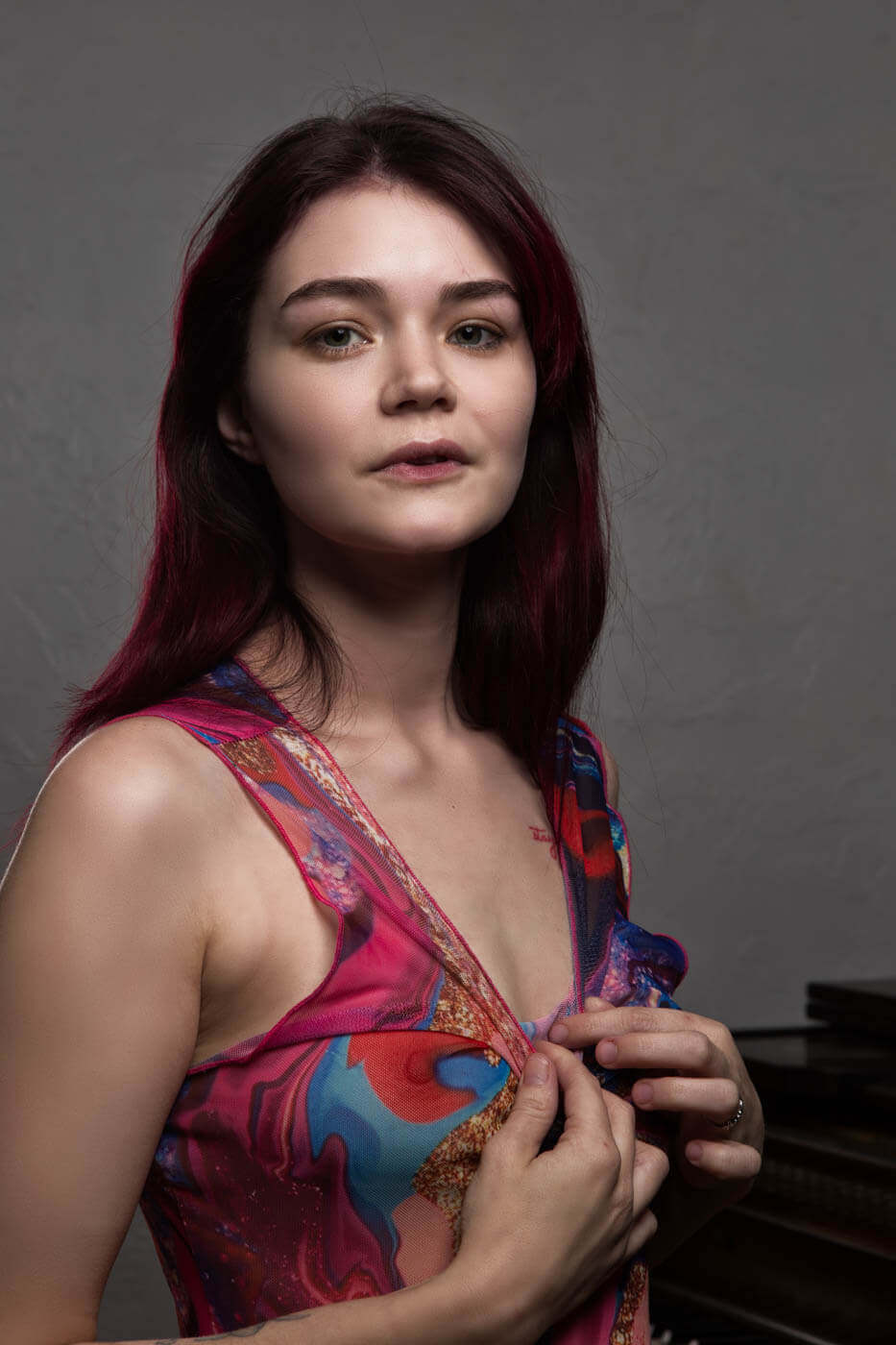
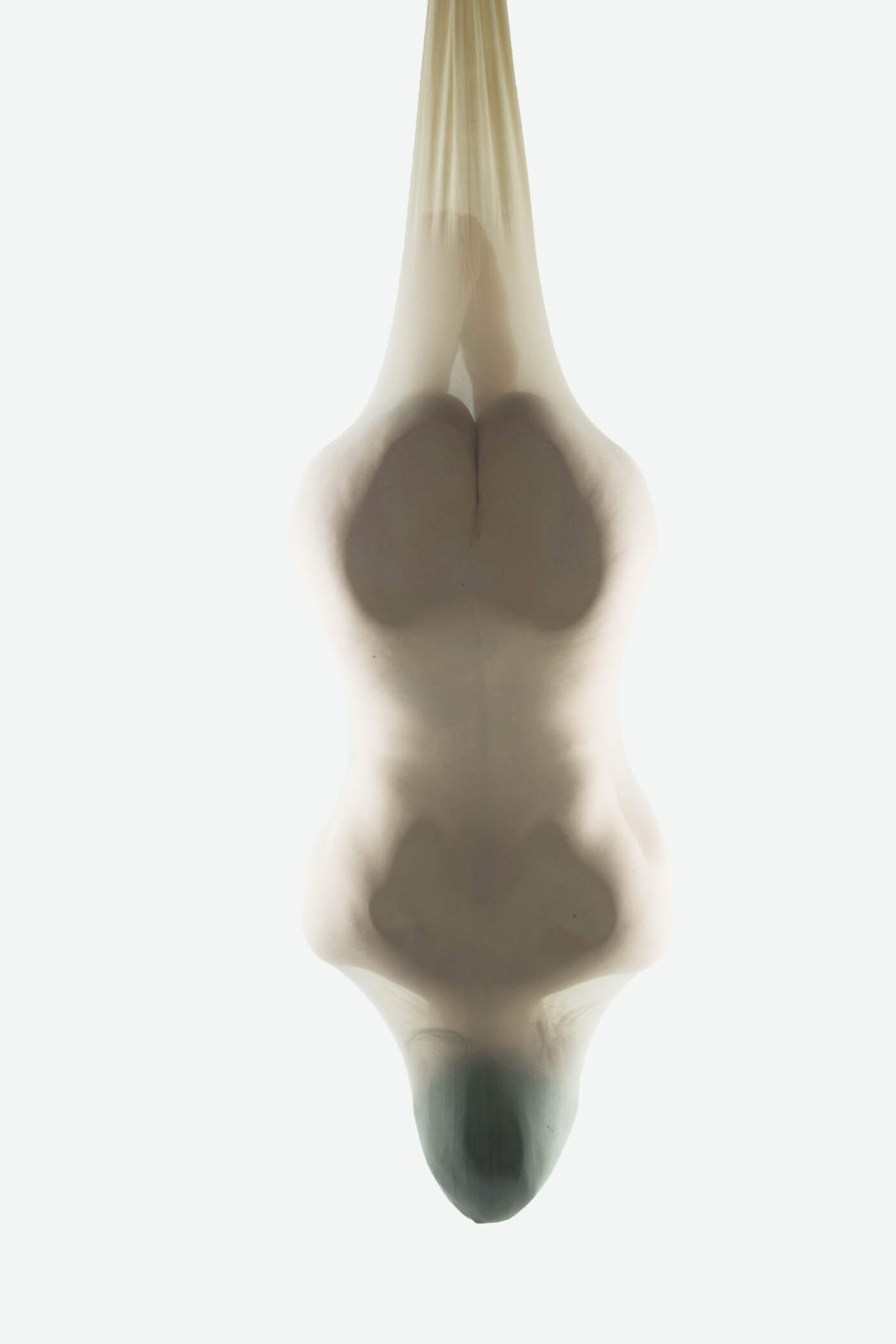
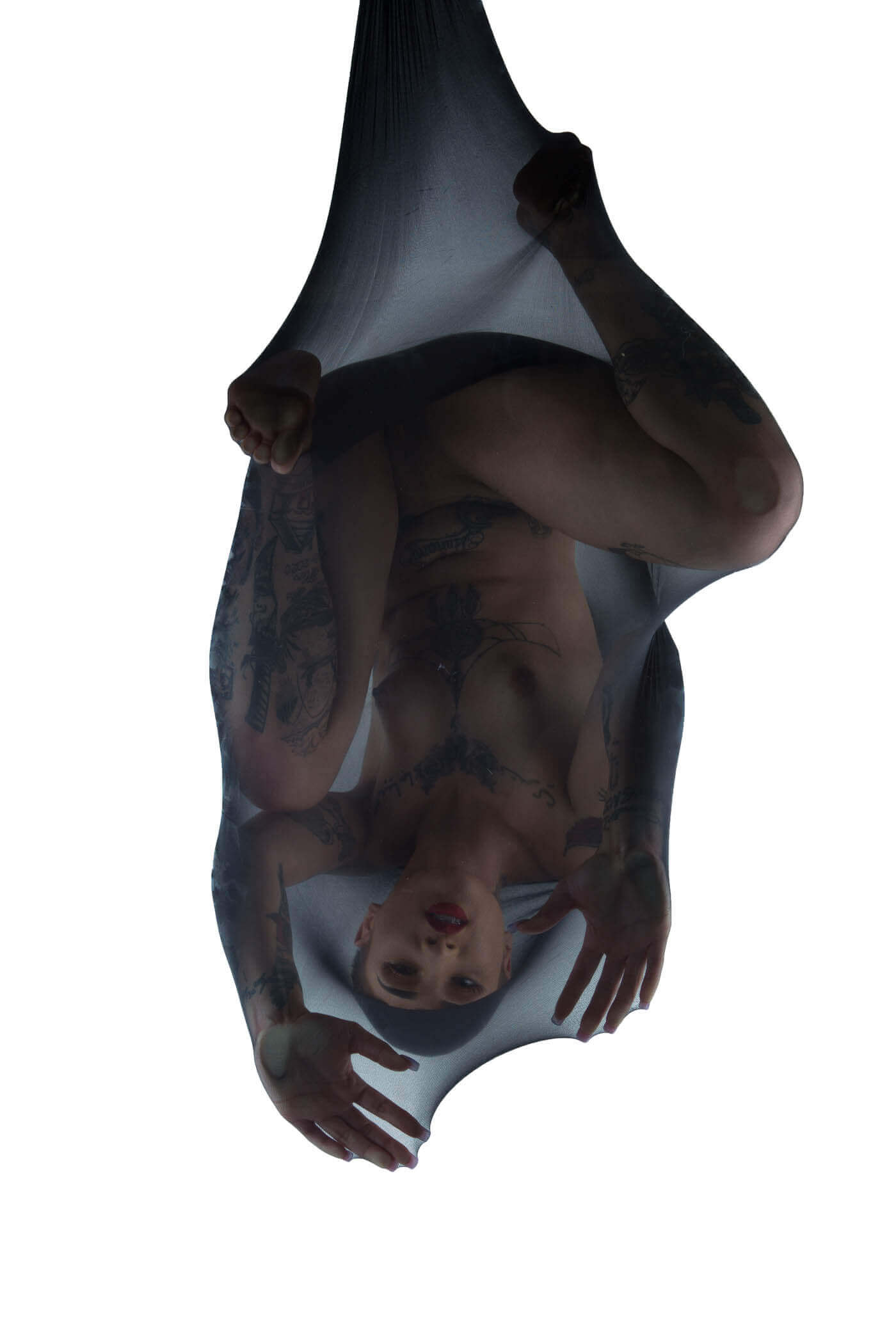
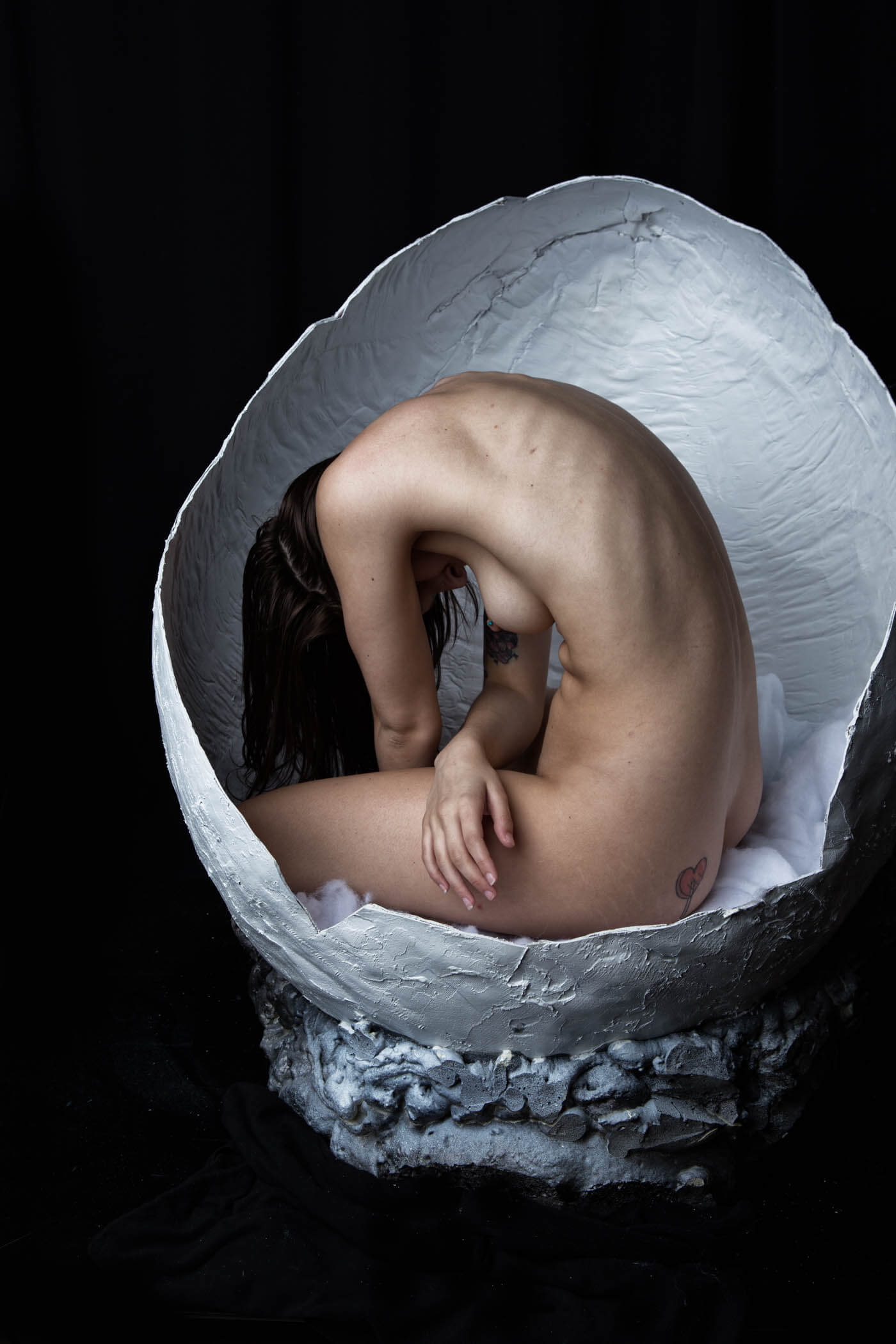
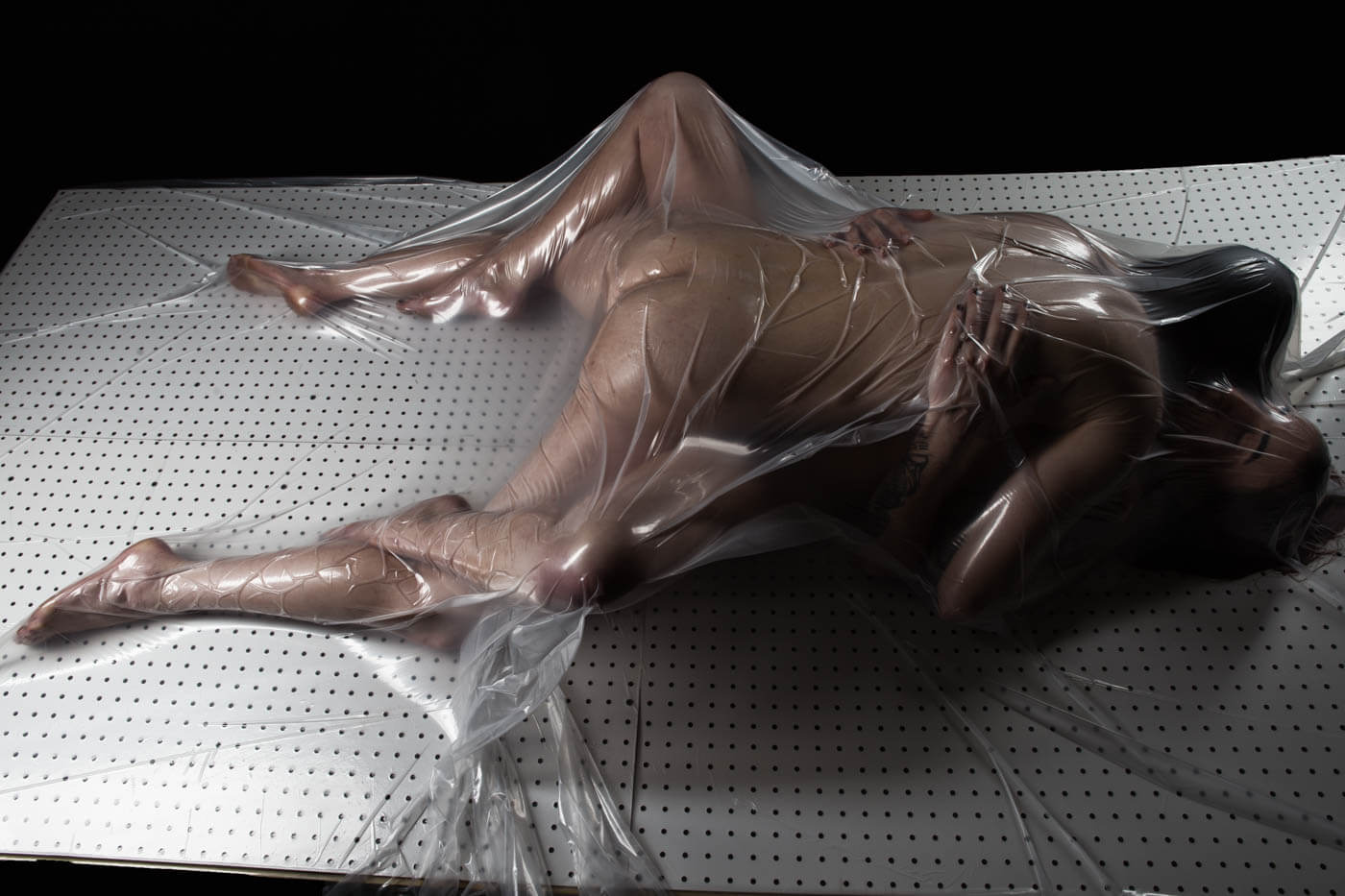
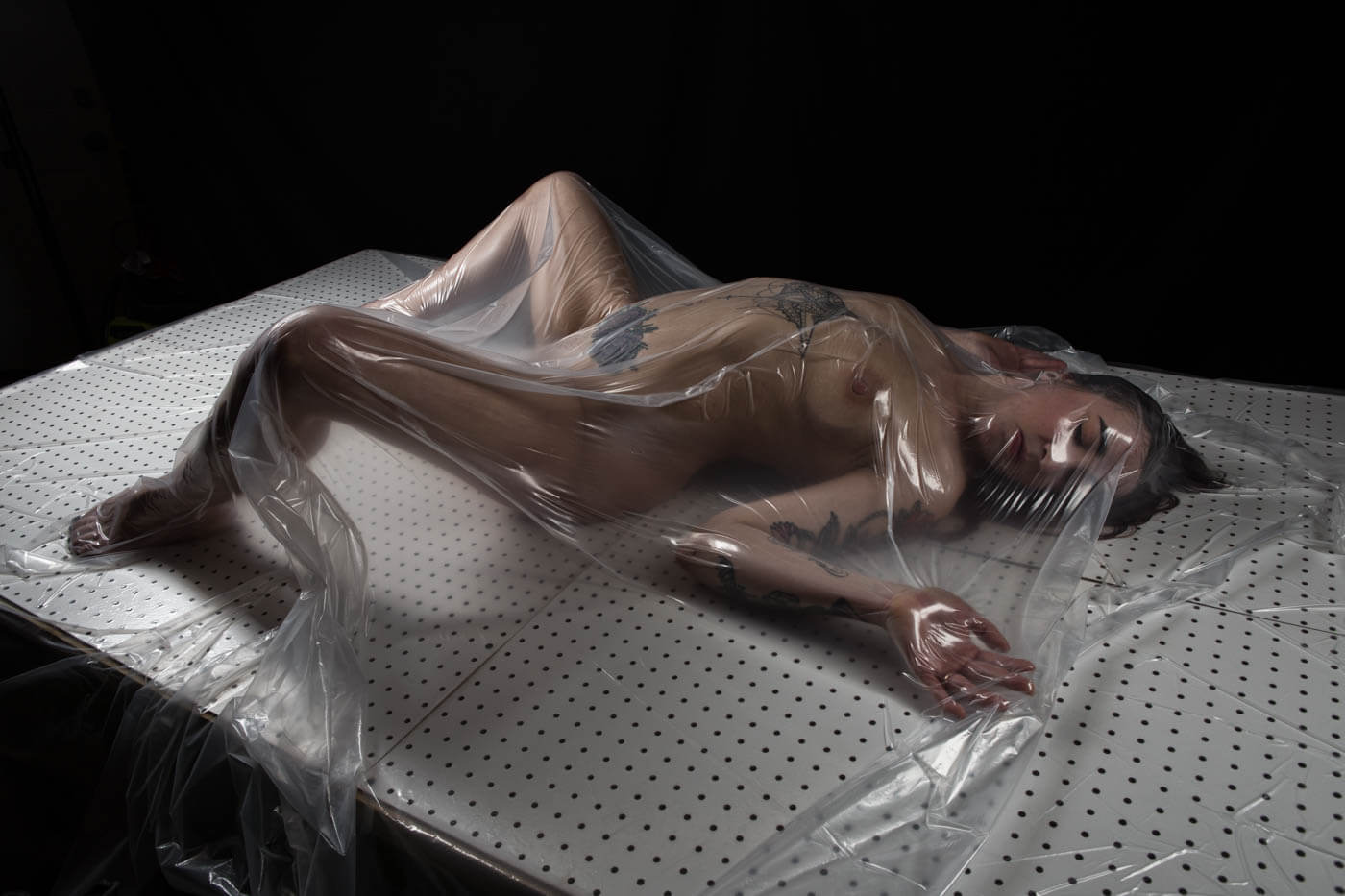
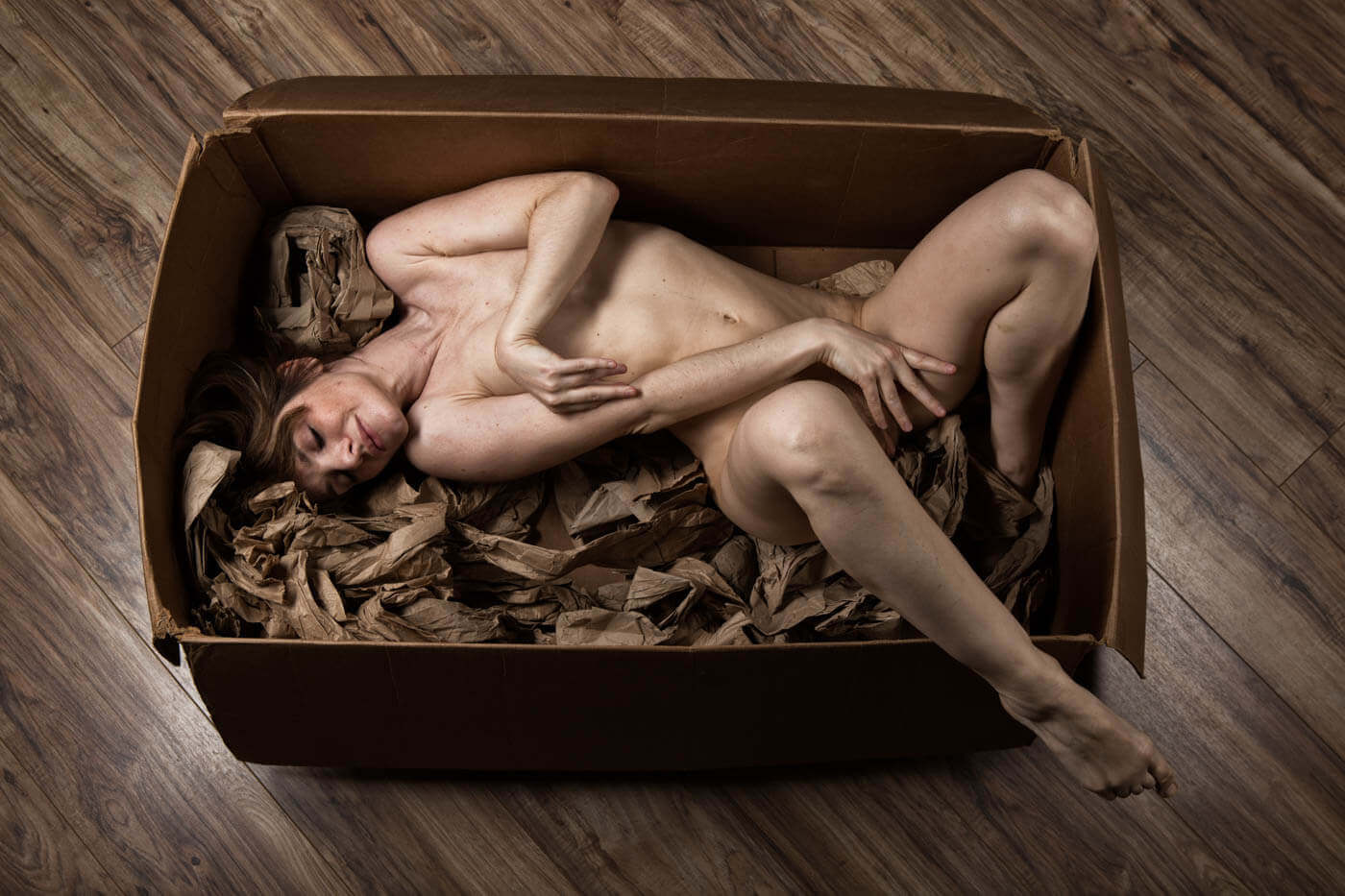
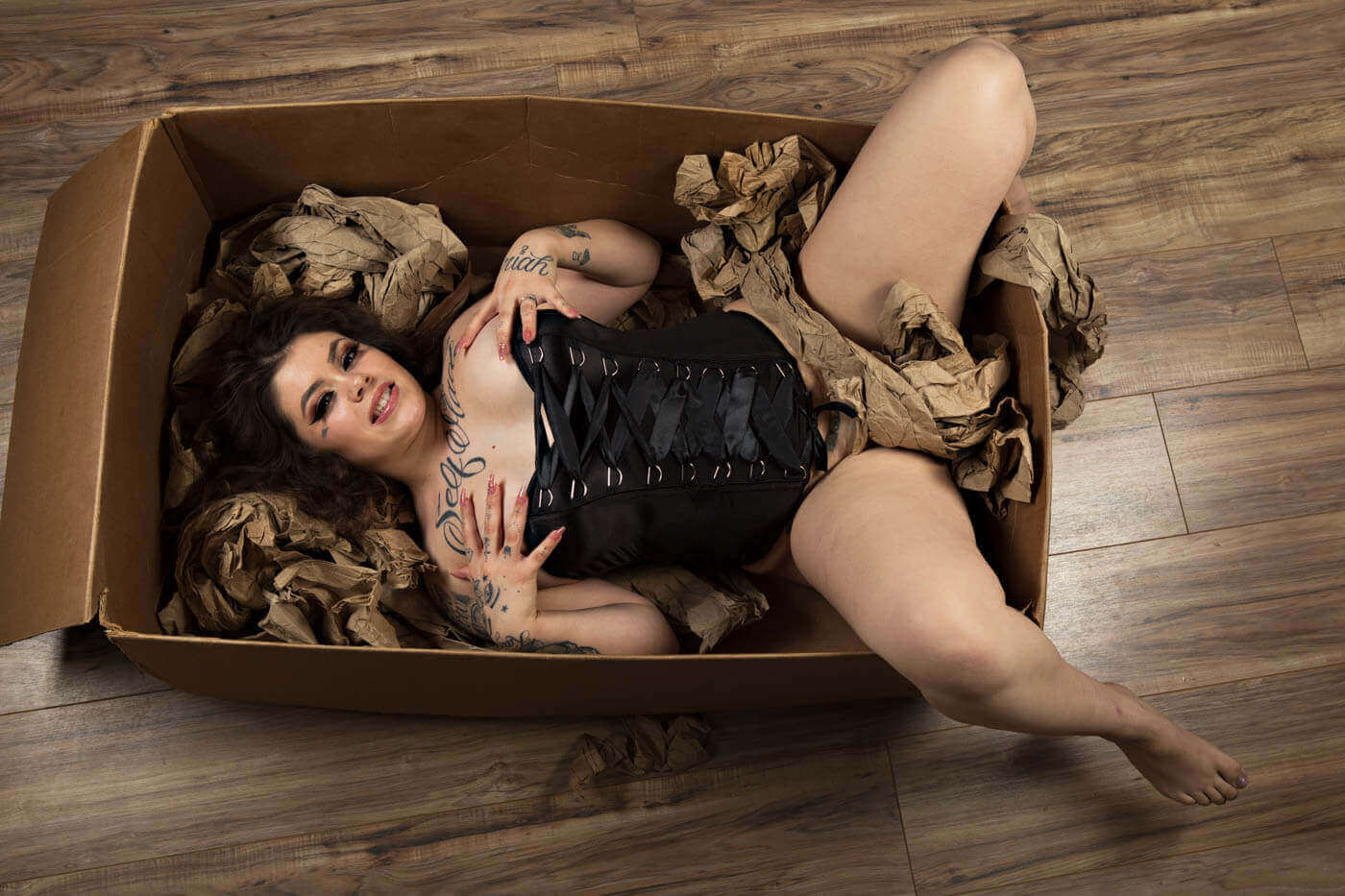
As the cloning process advanced and the number of developed models increased, I found myself facing a completely different set of challenges—ones not rooted in biology or technology, but logistics and ethics. The hatching process had been refined, the models were emerging healthy and beautiful, but the question soon became: What do you do with them all afterward? How do you responsibly and respectfully store a growing population of fully developed, conscious beings? This marked the transition from scientific curiosity to a deeper exploration of sustainable, ethical long-term storage solutions.
Initially, the thought process was quite naïve. I figured that simple, practical options might be sufficient—perhaps even large, stackable storage bins from hardware stores like Home Depot. These containers seemed like a cheap, scalable answer to a growing population. But it only took a few weeks to realize the severe shortcomings of this approach. Plastic bins are for tools, toys, and seasonal decorations—not living, breathing human beings. The lack of environmental control, inadequate space for individual comfort, and the complete absence of medical or psychological support made this method not only impractical but deeply inhumane.
As someone who values life and believes in preserving every creation, I couldn’t reconcile the idea of neglect or disposability. I knew I had to think beyond traditional storage and consider these models not as products, but as people—each with their own identity, genetic uniqueness, and potential future. Disposal, abandonment, or deterioration were never acceptable outcomes. I wanted to preserve their dignity as much as their physical form.
This realization led me to invest in the development of custom-built storage pods—climate-controlled, self-contained living chambers that could keep the models in a state of low-energy hibernation, similar to medically induced sleep. These chambers maintained optimal temperature, oxygen levels, and even minimal neurosensory input to ensure the models remained healthy and mentally stable during periods of inactivity. Each pod also included biometric monitoring, allowing me to keep track of vital signs and immediately respond to any anomalies or threats.
Beyond the technical solutions, there was also the moral weight of the matter. Storing humans—no matter how they came into existence—is an act that demands constant ethical introspection. I began consulting with bioethicists and studying legal precedents in cryogenics, cloning, and advanced medical research. It was important to me that what I was doing, while unconventional, remained grounded in principles of care, safety, and respect.
This phase of the project made me realize that long-term storage isn’t just about keeping something alive—it’s about keeping it meaningful. These individuals, created through science and shaped by intention, deserve more than survival; they deserve continuity, potential, and purpose. That’s why storage is only temporary. Each model is kept not to be shelved indefinitely, but to be awakened, trained, and eventually integrated into the world in a thoughtful way.
Long-term storage, then, is not an end—it’s an interlude. A pause in the life cycle that allows time to prepare for what’s next. As I continue to refine these systems, I remain committed to ensuring that every model is treated not just as an asset, but as a life worth preserving.